

Blog
Why Do Some People Never Stop Wearing Bracelets?

For many people, a bracelet begins as a simple purchase.
Perhaps they liked the design.
Perhaps they were drawn to a particular gemstone.
Perhaps it was a gift from someone important.
At first, wearing the bracelet feels like a choice.
But something interesting often happens over time.
Days turn into weeks.
Weeks turn into months.
Eventually, the bracelet rarely leaves their wrist.
This raises an interesting question:
Why do some people never stop wearing bracelets?
The answer is usually not about fashion alone.
More often, it involves habit, comfort, identity, and the subtle role jewelry can play in everyday life.
Let's explore why bracelets often become lasting companions rather than temporary accessories.
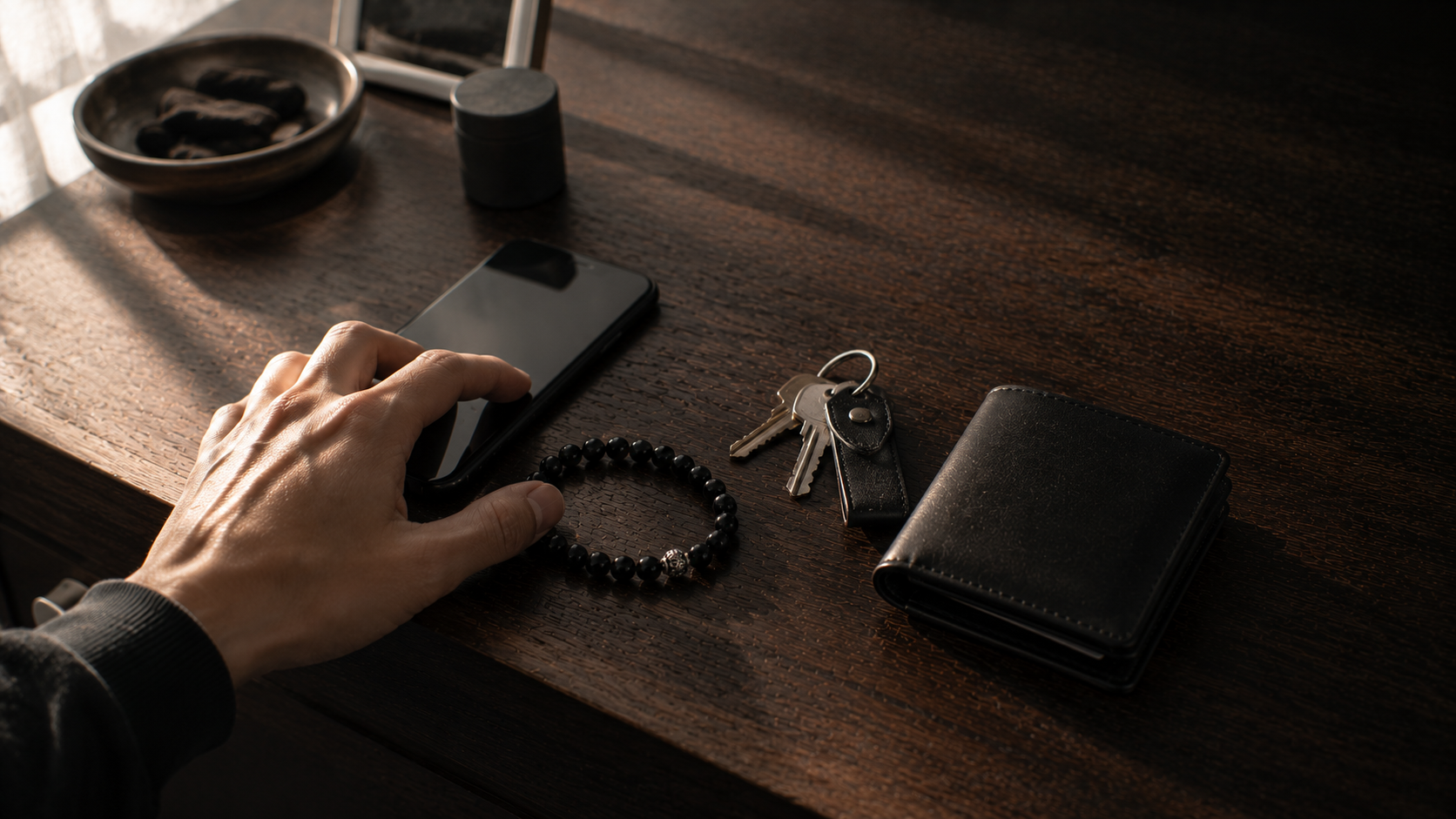
It Starts as a Choice
Every bracelet begins the same way.
Someone chooses to wear it.
At that stage, the bracelet is simply another accessory.
It may be selected because of:
- Its appearance
- Its craftsmanship
- Its materials
- Its personal meaning
There is nothing unusual about the decision.
What makes the difference is what happens afterward.
Repetition Creates Familiarity
Human beings are creatures of habit.
The more often we repeat an action, the more natural it begins to feel.
Wearing a bracelet is no different.
After putting it on every morning for weeks or months, the action requires little thought.
The bracelet becomes part of a routine.
And routines often become habits.
Comfort Encourages Consistency
People rarely continue wearing uncomfortable accessories.
Comfort matters.
A bracelet that feels lightweight, balanced, and easy to wear naturally becomes part of daily life.
Over time, many people stop noticing the bracelet entirely.
Not because it matters less.
But because it feels familiar.
Like a favorite watch or a well-worn jacket.
The Bracelet Becomes Associated With Daily Life
One reason bracelets become habits is that they quietly accompany ordinary experiences.
They are present during:
- Workdays
- Travel
- Conversations
- Celebrations
- Quiet moments at home
As these experiences accumulate, the bracelet becomes linked to everyday life itself.
Its presence starts to feel normal.
Its absence starts to feel unusual.
Jewelry Can Become Part of Identity
At some point, a bracelet may stop feeling like something a person wears.
Instead, it becomes part of how they see themselves.
Friends become accustomed to it.
Photographs capture it.
Memories include it.
The bracelet becomes part of a person's visual identity.
Removing it can feel strangely incomplete.
Meaning Often Grows Over Time
Many people assume meaningful jewelry begins with meaning.
Often the opposite is true.
A bracelet may start as a simple purchase.
Over time, it becomes connected to:
- Important memories
- Personal milestones
- Relationships
- Life experiences
The longer the bracelet remains present, the more meaning it can accumulate.
Familiar Objects Create Comfort
Psychologists have long observed that familiar objects can create a sense of comfort.
People often keep:
- Favorite notebooks
- Well-used pens
- Watches
- Meaningful jewelry
not because they are necessary, but because they feel reassuringly familiar.
Bracelets frequently serve a similar role.
The Bracelet Stops Feeling Like an Accessory
Perhaps the most interesting transformation happens when the bracelet no longer feels like jewelry.
It simply feels like part of daily life.
The question changes from:
"Should I wear it today?"
to:
"Why wouldn't I?"
At that point, the habit has become fully integrated.
Not Everyone Needs a Large Collection
Interestingly, people who wear bracelets every day often own fewer bracelets than expected.
Many eventually discover one or two favorites that fit naturally into their routine.
Consistency becomes more important than variety.
The goal shifts from collecting to simply enjoying what already works.
Final Thoughts
So, why do some people never stop wearing bracelets?
Because what begins as a simple accessory often becomes something more.
Through repetition, comfort, familiarity, and personal experience, a bracelet can gradually become part of everyday life.
Most people do not consciously decide to wear a bracelet forever.
Instead, they wear it today.
Then tomorrow.
Then next week.
And one day, they realize it has quietly become part of who they are.